



Visualizing Daily Work Processes – Effective Operational Planning
RJ0300031_12
- Last Update 04/26/2025
- File Size 0.7MB
- # of Slides 2
- File Format PPTX
- Slide Ratio 16:9
- Color
Keywords
- #Content-Based Slides
- #Design-Based Slides
- #Business Strategy
- #Operational Plan
- #Diagram
- #Step-by-Step Schedule Plan
- #Business Processes
- #Flow
- #Cluster
- #Linear Flow
- #Chain Diagram
- #16:9
- #timeline infographic PowerPoint
- #5-stage flow diagram
- #work process PowerPoint slide
- #hourly schedule visualization
- #operational planning presentation template
About the Product
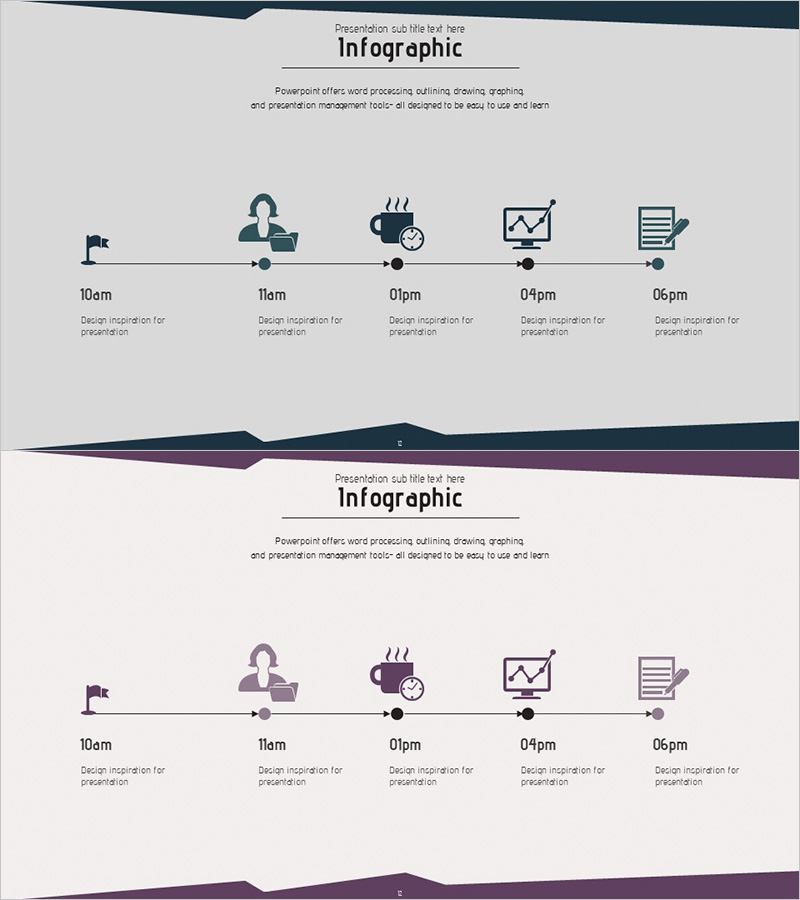
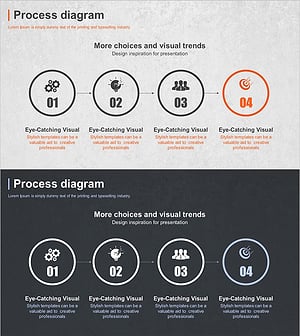
A timeline infographic PowerPoint slide that visualizes daily work processes across five time periods with clear stage separation. This linear flow diagram features icons and descriptive text at each stage, making operational planning and schedule management intuitive and visually engaging. The harmonious color palette of navy, gray, and purple tones combined with horizontal layout ensures immediate usability in presentations and reports. The 2-slide 16:9 format provides flexibility for adapting various process explanations and workflow scenarios.
Usage Points
-
Main Usage
Designed to express daily workflows, project timelines, and operational processes in time-based stages. Each time period clearly distinguishes key activities and responsibilities, enabling teams to understand overall progress at a glance during presentations and planning sessions.
-
How to Use
Input time periods and task descriptions in each stage's text area, and customize icons as needed to create tailored process diagrams. Insert into meeting materials, operational reports, and training resources to enhance audience comprehension of workflow sequences and timelines.
-
Recommended For
Ideal for project managers, operations teams, training coordinators, and consultants managing process-driven work. Perfect for business plans, operational guides, educational seminars, and team meetings where schedule management and workflow explanation are essential.
-
Slide Structure
Two-slide layout featuring navy header with 5-node timeline on the first slide and purple header with identical timeline structure on the second. Each node includes icon placement, time indicator, and text input area, arranged in horizontal linear flow to clearly express sequential progress and stage transitions.
Related Products
-
Procedures for Applying for a Move-in of a Silver Town – Step-by-Step Flow Description
#Business Strategy #Operational Plan #Diagram
-
Visualizing the IoT Service Process – Incorporating Business Strategy
#Business Strategy #Operational Plan #Diagram
-
Business Processes by Business Hours Slide – Efficient Operations Planning
#Business Strategy #Operational Plan #Diagram
-
Business Process Steps – Efficient Operational Strategy
#Business Strategy #Operational Plan #Diagram