


Why Your B2B Company Profile Gets No Reply After You Send It

Why Your B2B Company Profile Deck Gets No Reply
The most common response B2B sales teams get after sending a company profile is, "We'll take a look." The problem is what comes next — which is usually nothing. Most teams spend time debating design or page count, but the factor that actually drives meeting conversion is structure. The typical company profile presentation focuses on explaining who the company is, while leaving the reader's most important questions unanswered. A B2B company profile deck is not a brochure. It's a sales document — one that needs to answer "why should we meet with this company?" without anyone in the room to explain it.

Why Most Company Profile Decks Don't Convert to Meetings
The most common mistake is building a company profile deck that reads like an introduction. Company history, org chart, awards, client logos — in that order. It's a familiar structure, but for the person receiving it, one question naturally surfaces:
"What does any of this have to do with us?"
In a B2B company profile presentation, what matters most isn't the company information itself — it's creating a clear connection to the reader's priorities and building that into the structure of the deck.
A second common mistake is building the deck around proving how impressive the company is. But prospective clients and partners aren't evaluating your credentials first — they're asking whether you can solve their problem. Phrases like "differentiated competitive advantage" without supporting evidence don't build trust. They erode it. In B2B sales, proof always reads before claims.
What Readers Look for First in a B2B Company Profile
When someone receives a company profile deck, the first judgment they make is simple:
"Is this relevant to us — and can it solve our problem?"
The structure of a company overview presentation needs to answer that question from the very first slide. Do they have experience in our industry? Do they have measurable results? Do they understand the specific challenges we're dealing with right now? When those signals appear early, the reader keeps reading.
The structure of a company profile deck that converts also changes depending on who's reading it. For a prospective client, lead with case studies, before/after outcomes, and operational impact. For a potential partner, open with the collaboration model, revenue structure, and mutual upside. A single deck trying to speak to every audience ends up resonating with none of them.
Reordering the Deck Changes the Response
Most company profile presentations follow the same sequence:
- Company info → Services → References → CTA
But decks that actually get read through and convert to meetings follow a different flow:
- Reader's problem → How we solve it → Proof → Next step
The core principle is following the reader's attention, not the company's story. One structural change can meaningfully shift how far into the deck someone reads — and whether they respond. Even the most polished design won't keep someone reading if the structure works against their attention. But when the structure is right, the same content lands with far more force.
Template: A B2B Company Profile Deck Built Around Conversion
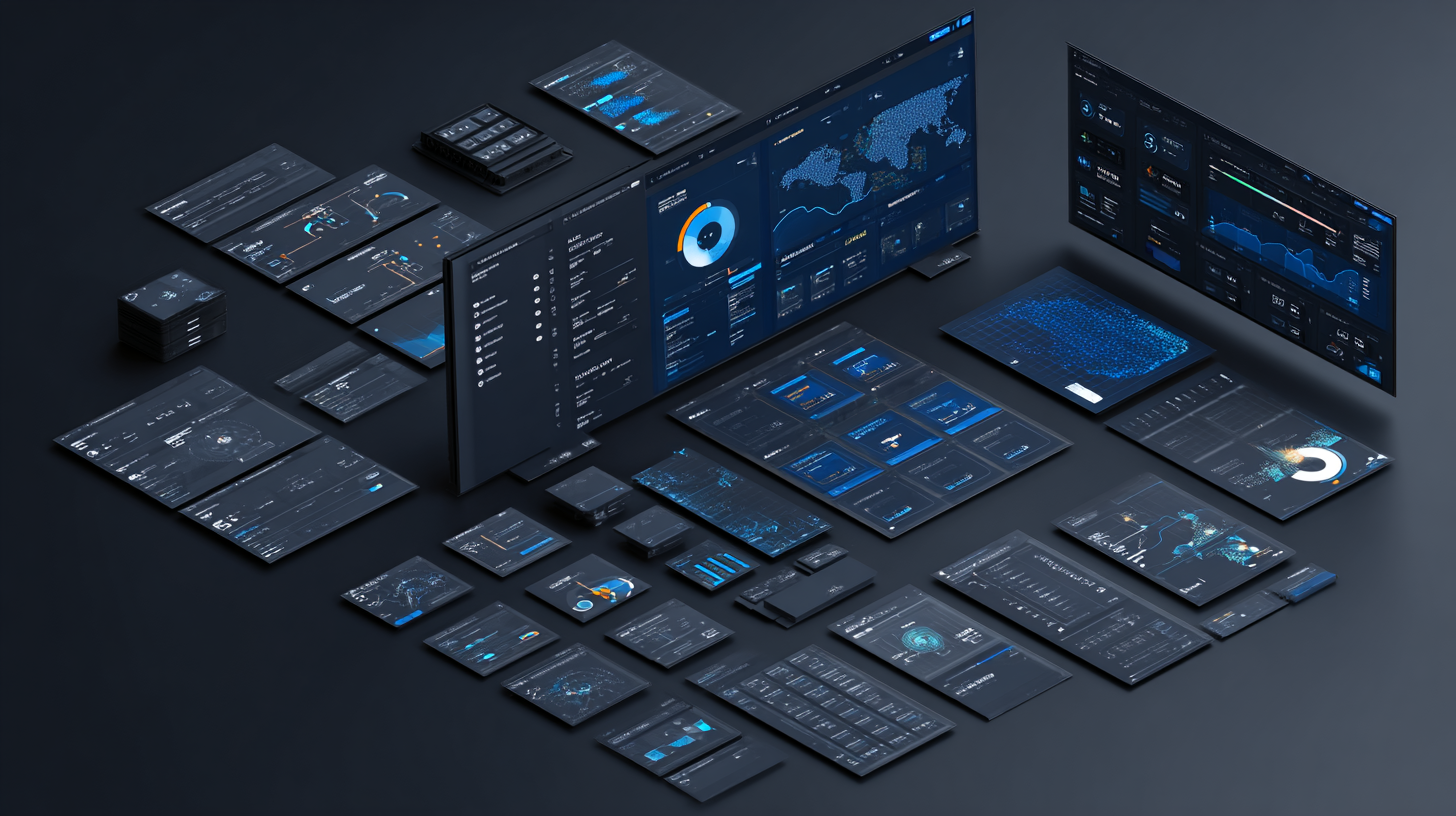
GoodPello's company profile deck template is built around real B2B sales flow, not visual design alone. Audience-specific message structures, before/after outcome layouts, reference slides designed to build credibility, and CTA flow are all built in at the slide level — reducing the structural trial and error that slows down deck-building from scratch. Whether you're refreshing an existing company presentation or building a new B2B outreach deck, the structure is ready to use.
👉 The template follows every principle in this guide. Customize it and use it right away.
Keywords

Related Resources
Still Leading With Your Company History? The 5-Step Framework for a Company Profile Deck That Closes Deals
Company ProfileLearn how to build a company profile presentation that wins clients. Stop listing facts — lead with pain points. Download GoodPello Biz Toolkit's solution-driven template now.


Practical Template Included
A field-tested, solution-driven company profile presentation toolkit — proven in real B2B sales.

Biotech Pitch Deck: The 15-Slide Framework That Gets Read
Company ProfileLearn why most biotech investor decks fail and how a reader-first 15-slide structure changes outcomes. Download the GoodPello pitch deck framework used by tech-driven startups.
Practical Template Included
A field-proven, persuasion-first biotech investor deck structure — built for science-heavy companies that need to close.

What Job Candidates Actually Check in Your Company Profile
Company ProfileCompany profile for talent acquisition guide. Discover the 3 things candidates check first and how to build a hiring presentation that converts. PPT template included.
Practical Template Included
Recruitment Company Profile Template — Ready to Use

4 Mistakes That Get Startup Business Plans Rejected (And How to Fix Them)
Business PlanDiscover the 4 structural mistakes that kill startup grant applications. Learn the PSST framework strategy that convinces reviewers — with a ready-to-use business plan template.
Practical Template Included
PSST Framework Complete Guide + Startup Business Plan PowerPoint Template